


 Rix Mascarenhas
Article content
Quick answer: Yes, the Godox V850II is still worth buying in 2026 — if you want a reliable, manual-only off-camera flash at a budget price and don’t need TTL auto-exposure. It’s been succeeded by the V850III, but the II is still sold new and used at a lower price point, and the core experience (built-in 2.4G receiver, Li-ion battery, fast recycle time) holds up.
Godox V850II — Still in My Bag
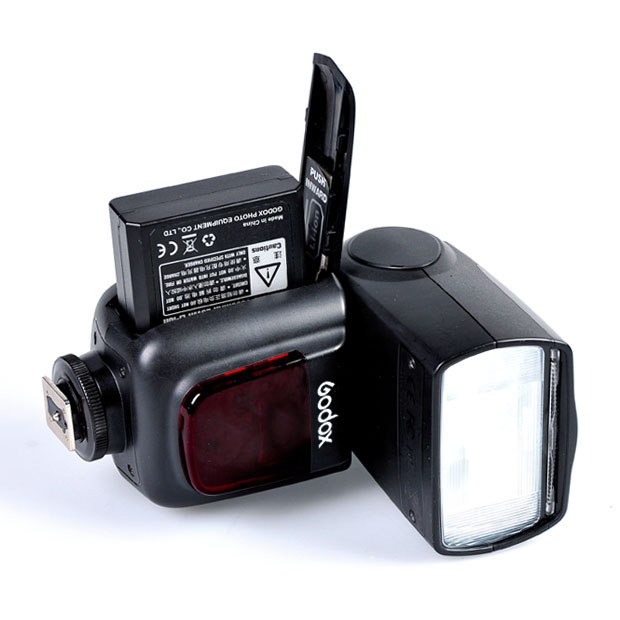
Hey guys, back in 2017 I picked up the Godox V850II to see what the fuss was about with Godox’s lighting gear, and I’ve been using it ever since. A few years (and a lot of shoots) later, I’m updating this review with how it holds up today, current pricing, and how it stacks up against what Godox sells now.
GODOX is one of the bigger names in budget-friendly lighting, and back when I bought this, the V850II stood out because it used a proprietary lithium battery instead of standard AA cells — a small thing that made a real difference for how much I actually used it.
Specs
- GN60 guide number
- 11.1V / 2000mAh lithium-ion battery
- Manual and Multi modes (no TTL — this is a fully manual flash)
- Power adjustable in ⅓-stop increments, 1/1 to 1/128
- Zoom range 20–200mm
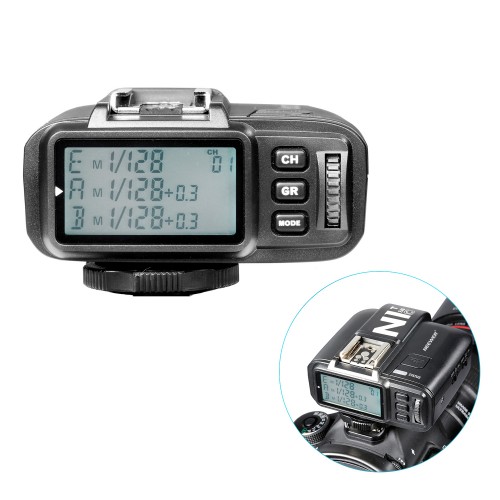
- 1/8000s high-speed sync — but only when triggered off-camera with a compatible transmitter
- 5 remote groups, built-in 2.4G receiver
- Compatible with Canon, Nikon, and Sony (note: cannot mount directly to Sony’s hot shoe — needs the X1T-S transmitter for wireless control)
- 360° flash head rotation
- Rated for roughly 650 full-power flashes per charge
In the Field
This is still the part of the review I trust most, because it’s not spec-sheet talk — it’s what actually happened when I used it.
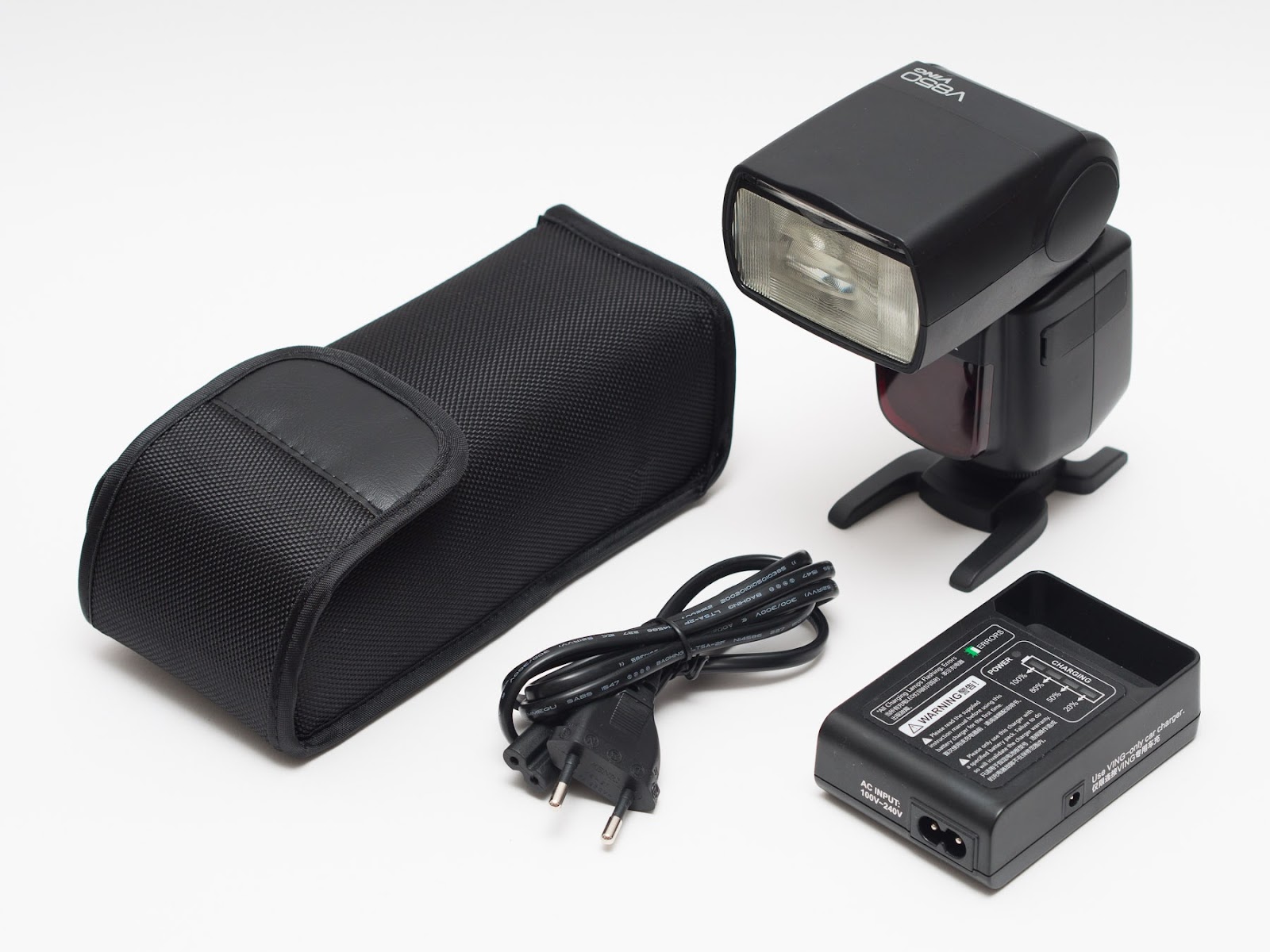
The Li-ion battery genuinely impressed me from day one. A full charge gets you through most shooting sessions without a second thought — I’ve fired over 200 shots in a single session, cycling through 1/32 to ⅛ power, without the flash ever asking for a break. At full power you can expect closer to 15 shots before it wants to cool down, which is normal for a flash in this class.
The built-in 2.4GHz receiver is the other standout. No external trigger needed on the flash side — I’ve gotten clean fires from more than 50 meters away from the transmitter, with zero dropped shots. Setup with a stand and umbrella takes about 5 minutes flat, which matters a lot when you’re working a shoot with limited time.
One real limitation: mounted directly on the camera without a transmitter, sync speed tops out around 1/250s. To get the full 1/8000s high-speed sync, you need to trigger it off-camera with Godox’s X-series transmitter. This is standard behavior for flashes in this price range, not a V850II-specific flaw — but worth knowing before you buy if HSS-on-camera is a dealbreaker for you.
Is the V850II Still Current in 2026?
Honestly — no, not as Godox’s newest option. It’s been succeeded by the V850III, and if you want TTL auto-exposure on top of the same manual-flash fundamentals, the V860III is the step up worth comparing against. The V850-series remains positioned as a manual-only flash, so if autofocus-style automatic exposure matters to you, you’ll want to look at the III-series or V860 line instead.
That said, the V850II is still sold new by major retailers and shows up regularly on the used market, which is exactly why I think this review is still worth keeping around — plenty of people are choosing between a discounted V850II and a full-price V850III, and that’s a genuinely useful comparison to help with.
Pricing (Updated 2026)
Current new pricing for the V850II sits around $129 USD depending on retailer, with the V850III typically running a bit higher. Used units show up regularly on eBay at a further discount — just inspect battery health closely on any used purchase, since that’s the component most likely to have degraded.
Pros
- Built-in receiver — no extra trigger needed on the flash itself
- Lithium battery life is genuinely excellent for the price point
- Dead simple to use — a couple of button presses and you’re shooting
- Cross-brand flexibility: switch transmitters and it works across Canon, Nikon, and compatible Sony setups
Cons
- No TTL — fully manual exposure, which won’t suit everyone
- On-camera HSS is limited to 1/250s; full HSS needs an off-camera transmitter
- No longer Godox’s current model — the V850III has since taken its place
- Sony compatibility requires an additional transmitter for hot-shoe mounting
Is It Worth It in 2026?
Yes — with the caveat that you should know what you’re buying. If you want full manual control, don’t need TTL, and want a flash that just works without fuss, the V850II (especially at a discounted or used price) is still a genuinely solid choice. If you specifically want TTL auto-exposure or you’re buying new at full price anyway, it’s worth comparing directly against the V860III before you commit.
Do you shoot with a Godox flash? Let me know your experience in the comments — and if you’ve made the jump to the III-series, I’d love to hear how it compares.
FAQ
Does the Godox V850II support TTL? No. It’s a fully manual flash — there’s no automatic TTL exposure mode, even on the newer transmitters.
Can I use the Godox V850II with a Sony camera? Not mounted directly — the hot shoe isn’t compatible. You’ll need Godox’s X1T-S transmitter to trigger it wirelessly with a Sony body.
What’s the difference between the V850II and V850III? The V850III is the direct successor, with updates to battery capacity and refinements to the core design, while keeping the same manual-only, budget-friendly positioning.